

Katherine Kokal
/
WUWM
Former Vice President Kamala Harris campaigned for Democratic governor candidate David Crowley in Milwaukee ahead of election day for midterms November 2026.


Here is a guide to help Wisconsinites vote in the Nov. 3 general election.

This new season looks at the top issues in Wisconsin and how they’re motivating voters nationwide.
-
 Maayan Silver/WUWMMilwaukee-area young adults share their perspectives on voting, trust in elected officials and the issues shaping their decisions ahead of the Nov. 3 election.
 -
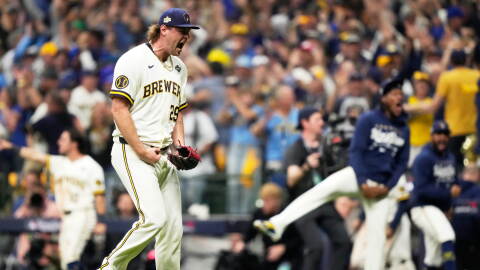 Kayla Wolf/AP PhotoFred Silver has been watching Milwaukee baseball since the Braves came to town. He's watching the Brewers in the World Series with a new fan, his daughter, WUWM reporter Maayan Silver.


This WUWM series focuses on the challenges of food accessibility in Milwaukee and examines solutions.


Here's how to find WUWM stories and podcasts on NPR.org and the NPR app.
-
 Data Holdings spokesperson explains why the company supports the city's one-year data center development pause.
 -
 The only gubernatorial debate leading up to the November election took place in Milwaukee Oct. 21.
 -
 A rabbi, a priest and an imam walk into...a polling location? You may see poll chaplains outside polls in swing states this midterm election year.


Nobody owns us but you … our listeners, our supporters, and the community we serve.
-
 UW-Health psychologist Shilagh Mirgain talks about the psychology of being a sports fan.
 -
 Detention centers are proliferating thanks to ICE’s ballooning budget and ever-expanding mission. In our continued deep dive into ICE, we look at where and how the agency is housing its detainees — a process that’s been shrouded in secrecy.
 -
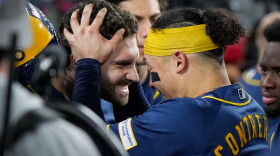 The Milwaukee Brewers have made it to the World Series for the first time in more than 40 years. The first game is Oct. 23.
 -
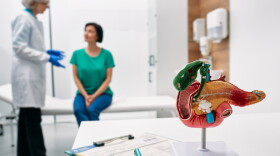 Dr. Mandana Kamgar, assistant professor of medicine at the Medical College of Wisconsin & medical oncologist, shares some important advancements in pancreatic cancer treatment and research.
 -
 Four years ago, Democrat Josh Kaul and Republican Eric Toney vied to become Wisconsin's attorney general. They're back at it this midterm election.


Your connection to the community. Lake Effect brings you local conversations about the people, places and organizations that shape Milwaukee.

_