-
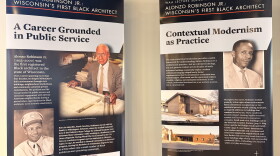 An exhibition at America’s Black Holocaust Museum in Milwaukee highlights the work of Alonzo Robinson Jr.
-
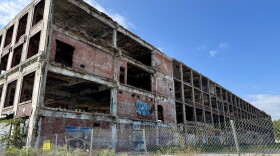 The Midwest was a major hub for industry — middle wage jobs, strong unions, thriving neighborhoods. And then, over decades, they went away, and whole cities were devastated.
-
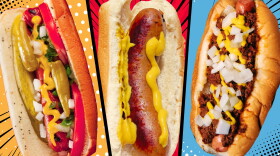 Why do Midwestern cities have such strong associations with certain hot dogs or sausages? In Milwaukee, it’s the bratwurst. In Chicago, the Chicago dog. Detroit has the Coney dog.
-
 Have you ever wondered how the art you admire gets to the museum? Bubbler Talk explores the art of moving masterpieces.
-
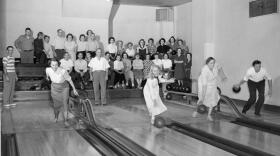 Bowling is a beloved American pastime. The sport's roots run deep in Milwaukee, which previously held the title of "America’s Bowling Capital."
-
 "An American Inheritance: The Story of Racist Memorabilia in Wisconsin and the U.S." highlights the legacy of racist imagery.
-
 Recently-retired social studies teacher Mark Schill from Nicolet High School in Glendale reflects on teaching on 9/11 and how educating students on the event evolved over the years.
-
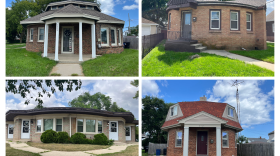 In the mid-1900s, a Racine man named Anton Kratochvil built more than 20 round or semi-circular houses and apartments in southeast Wisconsin. But why round?
-
 Dr. Ashley Lemke helped discover an ancient caribou hunting site beneath Lake Huron. Now, she's looking for similar sites beneath Lake Michigan.
-
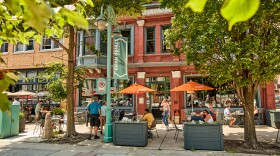 Milwaukee’s Third Ward has lived through many chapters. From a marshland to a manufacturing hub, to a massive fire, rebuilding and more, the Third Ward did not always look like the neighborhood we see today. To share more about that history, and how the Historic Third Ward Association has shaped it, WUWM’s Audrey Nowakowski spoke with Jim Plaisted, executive director of the HTWA.

© 2026 Milwaukee Public Media is a service of UW-Milwaukee's College of Letters & Science
Play Live Radio
Next Up:
0:00
0:00
Available On Air Stations


