One of the country’s most fundamental environmental laws is under threat.
President Trump is rolling back NEPA. That’s the National Environmental Policy Act, which has been on the books since 1970.
NEPA requires federal agencies to consider a project’s potential environmental impacts before deciding whether to approve it. Public comment is also built into the process.
The Trump administration has been working toward the NEPA rollback for months, saying the change would bring infrastructure and energy projects to life without unnecessary delays.
Some people believe NEPA could use some tweaking. But Cheryl Nenn with Milwaukee Riverkeeper says the law has resulted in reducing environmental impacts — including to Underwood Creek in Elm Grove.
“Underwood Creek was the preferred option for the City of Waukesha returning flow back to Lake Michigan,” Nenn says.
At the time, Waukesha needed to come up with a new drinking water source to replace its radium-tainted supply. Nenn says making that happen was a big, complicated deal.
Under the Great Lakes Compact, all eight Great Lake states had to say “yes” to Waukesha's request to draw water from Lake Michigan. The compact has strict rules around diverting Great Lakes water outside the basin.
“They (Waukesha) were the first community that sought a Great Lakes diversion for their drinking water supply,” Nenn says.
She says NEPA provided the process to help scrutinize the entire diversion proposal, from drawing water from Lake Michigan, cleaning it and later returning it to the basin.
“Being able to analyze the environmental impacts, but it’s also a process for getting public input, allowing the public to weigh in on the best or the worst alternatives based on impacts to their communities,” Nenn says.
During the environmental review, Riverkeeper pointed to its concerns about Waukesha returning its flow back through Underwood Creek and potential impacts to both water quality and quantity, in addition to flooding risks.
“It has huge problems with flooding, probably one of the flashiest — or flood-prone —streams in the state of Wisconsin," Nenn says. "There was a huge flood management project [downstream] that was well over $100 million on the Milwaukee County grounds and that's where Underwood Creek meets the Menomonee River."
Riverkeeper was also able to provide data that laid out the risk of flooding.
Nenn says the NEPA process allowed all parties’ perspectives, and the science behind them, to be considered in the final design of Waukesha’s Great Lakes diversion project.
“To be able to have that apples to apples comparison of environmental impacts, but also socioeconomic impacts as well,” Nenn says.
Ultimately, the Root River was chosen as Waukesha’s return path to Lake Michigan.

Wisconsin does have a state version of NEPA. The Wisconsin Environmental Policy Act (WEPA) was signed into law in 1972.
According to the Wisconsin Department of Natural Resources, under WEPA, "all state agencies must analyze, consider and disclose the anticipated environmental impacts of certain proposed actions, along with reasonable alternatives to those actions. This requirement does not apply to local governments or private entities."
“I think if the federal law were weakened significantly, or God forbid deleted, we still have a state process," Nenn says. "If the federal standards go away, it’s hard to believe that the state WEPA would have the same quality that it has today. It’s hard to know, frankly."

Retired Wisconsin DNR wildlife biologist Ron Eckstein says WEPA wasn’t designed to
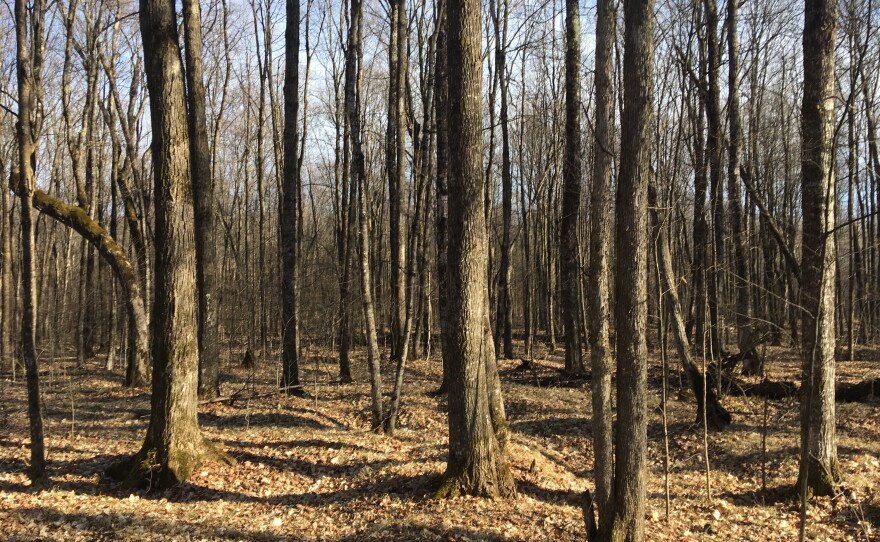
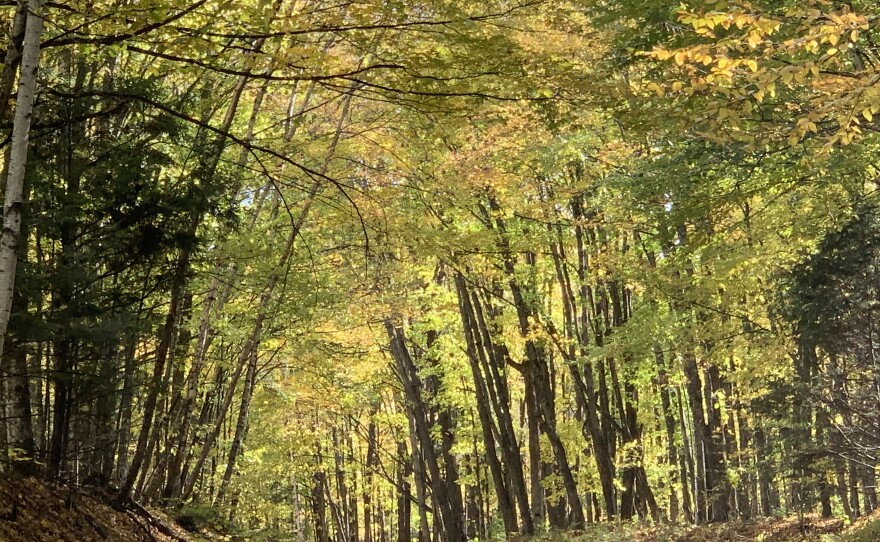
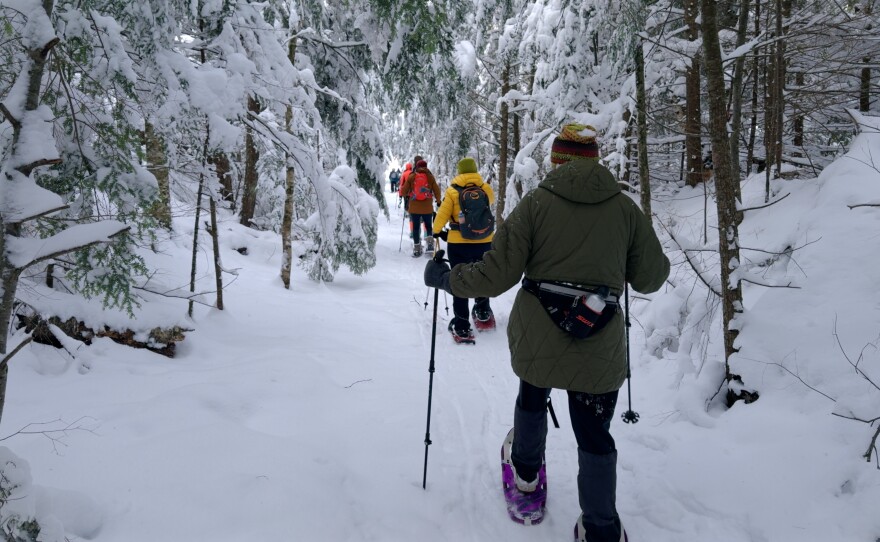
help protect the Chequamegon-Nicolet National Forest, the 1.5 million-acre expanse in
far northern Wisconsin.
Because it’s a national forest, the NEPA process has provided oversight of the massive
resource, and in Eckstein’s opinion, has done a good job.
He points to 2004 as a prime example. That’s when experts conferred to come up with a
plan to manage the entire forest.
“[The plan] takes into consideration all of the different aspects that a national forest, that the public wants from a national forest; so not only timber harvest, but fish and wildlife habitat, watershed, water quality, recreation, aesthetics, wilderness, state natural areas, things like that,” Eckstein says.
Informing the public along the way, so people understand what’s being proposed is key to the NEPA process.
The fate of NEPA is currently in the hands of the U.S. Congress. In December, the House passed the Standardizing Permitting and Expediting Economic Development Act or the SPEED Act, which limits NEPA.
Eckstein says if the SPEED Act became law, it would be very difficult to undo. He also a founding member of Wisconsin’s Green Fire, largely composed of retired
Wisconsin DNR scientists.
“And so, our organization believes that the NEPA process should be able to do what it was intended to do. And that is protect the environment, make sure man and nature work together and to make sure people can understand what agencies are doing with their public lands,” Eckstein continues, “The public lands belong to everybody – you and I and everybody – those are our lands, our public lands. And we should have a say on how they’re managed.”