Some in Milwaukee’s Native American community celebrated the arrival of the New Year with a sobriety powwow. The last one was held in 2019 and community members missed it ever since.
It was revived by the Milwaukee Intertribal Circle, or MIC, a nonprofit focused on providing a space for the Native community to gather and connect with their culture.
It’s common for events centered on Indigenous culture to be drug- and alcohol-free.
The sobriety powwow is open to anyone, including people looking for a place to celebrate without the pressure to drink.

“People always struggle with addiction and when folks want to come out of that, they're gonna need help," says MIC vice president Paul Smith. "It's never gonna be a solo thing and oftentimes with our culture we push that, you know, bootstraps and all by yourself, but it's never — you're never gonna succeed like that, and especially with sobriety,” says Smith.
MIC does not work directly on sobriety efforts in the community, but secretary Jennifer Forecki shared why events like the sobriety powwow and other cultural programming are important in supporting those efforts.

“One of the clearer ways that it's helpful to keep your sobriety is to have touchstones in your identity, to feel pride in your identity and to feel connection in your community and culture," says Forecki. "So, even if we're not explicit supporting sobriety, creating places where people can go and have a space to have Native pride and Native connection in a Native community — that is a foundational aspect of supporting sobriety.”
When starting the Milwaukee Intertribal Circle, Forecki and Smith asked people what they wanted and needed out of their services. Many said powwows and cultural events, like the sobriety powwow.
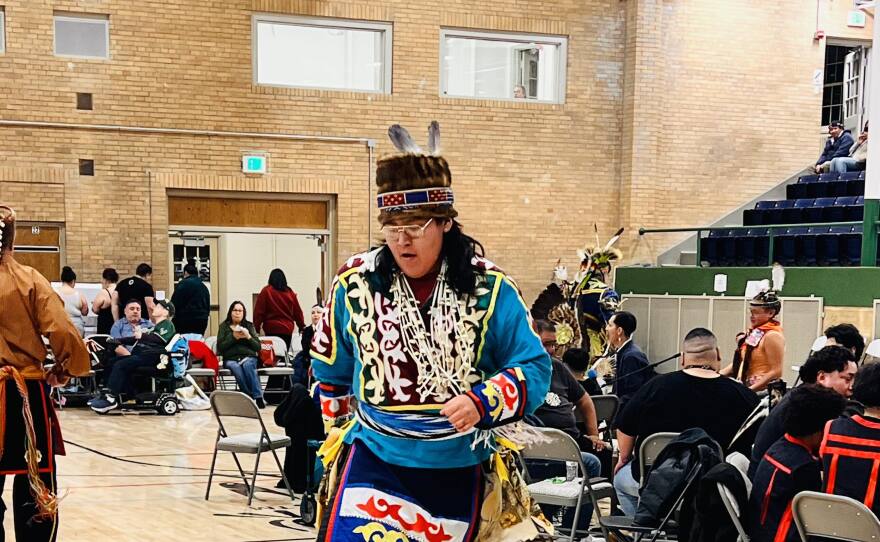
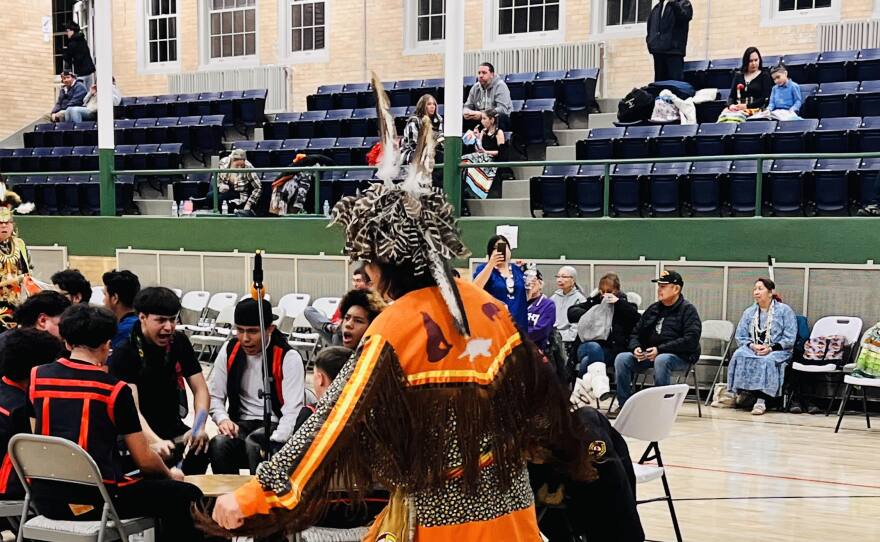
The powwow was at the Potawatomi campus. Families and friends gathered to ring in the new year. The night featured a community dinner, drumming, singing, dancing, and vendors.
Folks milled around looking at artwork and ribbon skirts, while others took a seat to watch the dancers make their way around the center circle. Three drum groups filled the night with strong beats that resonated through the gymnasium.
Aiyana Cadotte was looking at vendors just outside the gym. She shared that she has witnessed what addiction can do. She says it impacted several members of her family. But events like these can help people.
“It's really hard and it can take a lot out of a person and their family, so celebrating just achieving that goal and staying sober is really good — and to give people the courage and the community to at least try,” said Cadotte.
Attendees at the powwow were happy to have a supportive and sober space to welcome 2026.