Some Latinos in the U.S. have become extremely conservative in recent years. People in Milwaukee gathered earlier this year to discuss the trend, and what it means for our community.
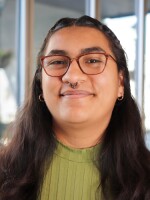
Valeria Cerda is co-owner of La Revo Books, an online bookstore that features books by and for BIPOC communities.
La Revo hosted a book study at the Mitchell Street Library in February to present “Defectors,” written by journalist and author Paola Ramos.
The event drew people from different backgrounds: psychologists, activists, students and more.
They gathered three times to work through the difficult feelings they have with members of their community, as some Latinos embrace far-right ideology.
“It's important to have events that highlight and bring joy in our lives but also holding community spaces that talk about things that confuse us things that we're talking about at our kitchen tables with our family, or not," says Cerda.
"Defectors" delves into how tribalism, traditionalism and trauma contribute to some Latinos’ extreme beliefs.
Ramos says tribalism is extreme loyalty to an “in-group.” She says that can result in people wanting to prove that they are “real Americans” by sympathizing with conservative talking points.
The topics spoke to one of the readers, who asked to be anonymous. We’ll be calling her GG.
“For me, it hits home because I feel like I've been approaching it also very like oh this is what it is, this is how it should be instead of like going with the intention of learning more about what they have to say without getting triggered and reactive in a way," says GG. "I'm pushing people away instead of creating that space for them to like share what they have to say,”
The section of the book on traditionalism covers how the use of religion has been used to push some Latinos to Christian nationalism while in search of community.
Book group members, like Amanda Pinto, discussed how to push past the discomfort of conflicting opinions.
“Being involved, especially finding the book club on Instagram and this moment of who are we talking with these concepts with, what kind of echo chambers are you already in that also kind of continue these trends?” says Pinto.
Pinto say sometimes just reading a book doesn’t give you an experience that is well-rounded, but the comparisons of experience and personal histories give the topics a new life.

In the third part of the book, Ramos delves into the roles of colonization, communism, strongman figures, and U.S. intervention in the more than 30 countries that make up Latin America.
The topic spoke to book club participant GG.
“It was eye-opening to see how, to an extent, your identity informs like your politics, but not necessarily if you have history of colonization, history of trauma," says GG. "I feel that because of our wounds and our wants to belong to a group we go to far ends just because we want to belong, even though it's not really the community looking out for you or has your best interest at heart.”
Reader Amanda Pinto says while the book provides explanations, the actual solution comes from balancing when to explain the trends and when to give space for productive human conversations.
They talked about experiences with family members who have a different political view.
“I think about like my interactions with my dad, especially, and I think the hard part is that I know how much my father and I have fought, and why we don't do that anymore is because he loved me enough to give in,” Says Pinto.
The readers say it’s important to build trust and to find others who are open to conversations.
“I think that was like the biggest thing about the study is sitting here and being like, we can have these conversations, we can self-reflect because there's a certain amount of love that we have for each other,” says Pinto.