


In 1955, the locally-produced TV show "Bowling with the Champs" premiered in Milwaukee. Then, in 1975, came "The Bowling Game."
For decades, Milwaukee area families enjoyed watching one of America’s favorite pastimes.
And playing it.
Milwaukee’s bowling roots run so deep that the city held the title of "America’s Bowling Capital” for a century.
Bubbler Talk listener Ellen Raines wanted to know: "How did Milwaukee lose its standing as the national bowling capital? What city did we lose it to?"
Let’s start with how Milwaukee got the title.
The American Bowling Congress was the body responsible for creating structure around the game. It was founded in New York in 1895.
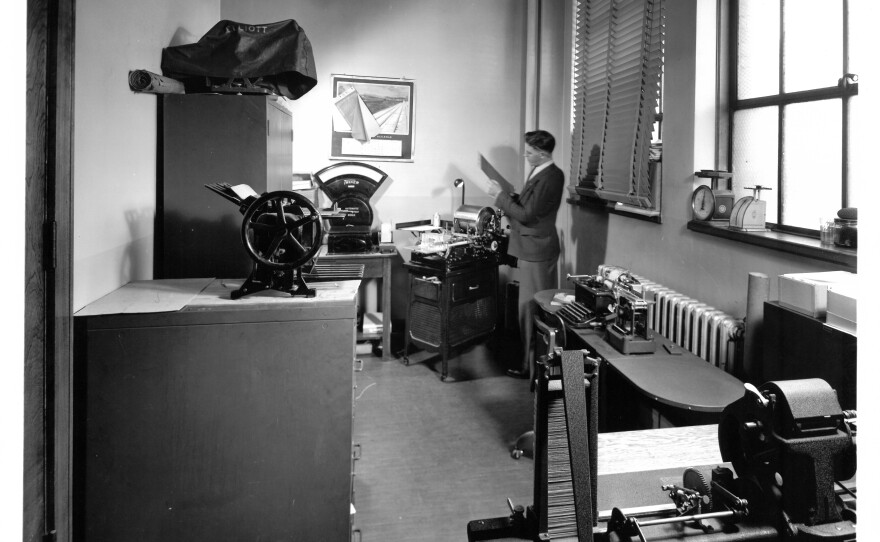
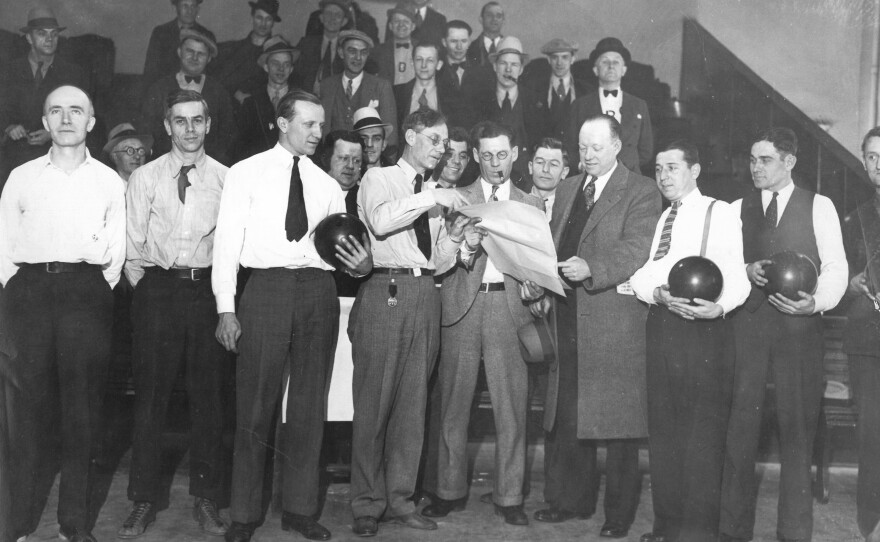
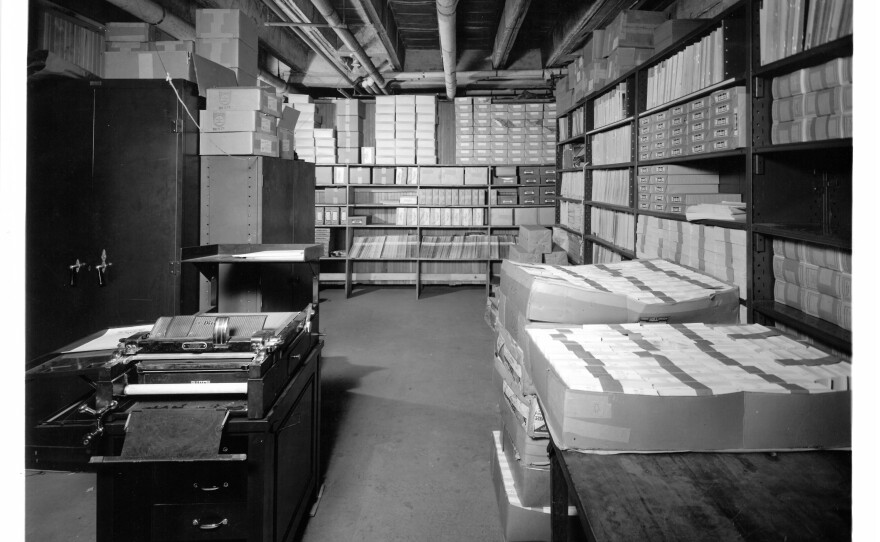
But it made Milwaukee its headquarters after the city hosted the ABC’s 1905 national tournament.
The tournament was held at The Milwaukee Exposition Center — today’s Miller High Life Theatre.


A notable bowling proprietor in Milwaukee at the time named Abe Langtry successfully lobbied to bring the tournament here. Langtry operated a bowling emporium in a three-story office building at Second and Wisconsin.
Doug Schmidt details this in his book "They Came to Bowl: How Milwaukee Became America's Tenpin Capital."
Post-Civil War, bowling was primarily an East Coast hobby, but increased migration brought many German immigrants to the Midwest.
"Really, beginnings start with a lot of German immigrants to Milwaukee. And so, by the 1880s you see bowling lanes, and recreational bowling taking place in the city," says Leo Landis, director of curatorial services at the Wisconsin Historical Society.
The traditions Germans brought with them included Turnvereins, or Turner clubs; centers of cultural activities, like bowling.
Some of the most famous names in Milwaukee brewing — Schlitz, Pabst, Miller – developed recreational spaces, featuring beer and bowling.

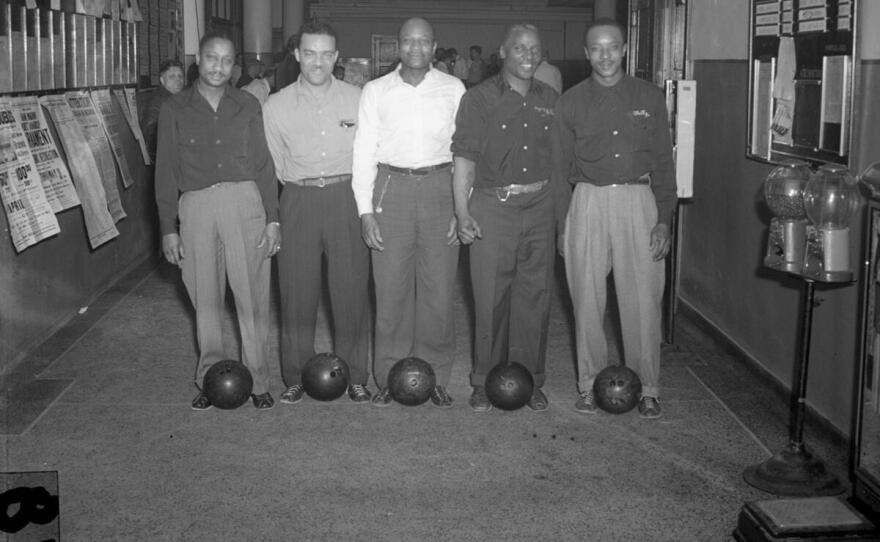

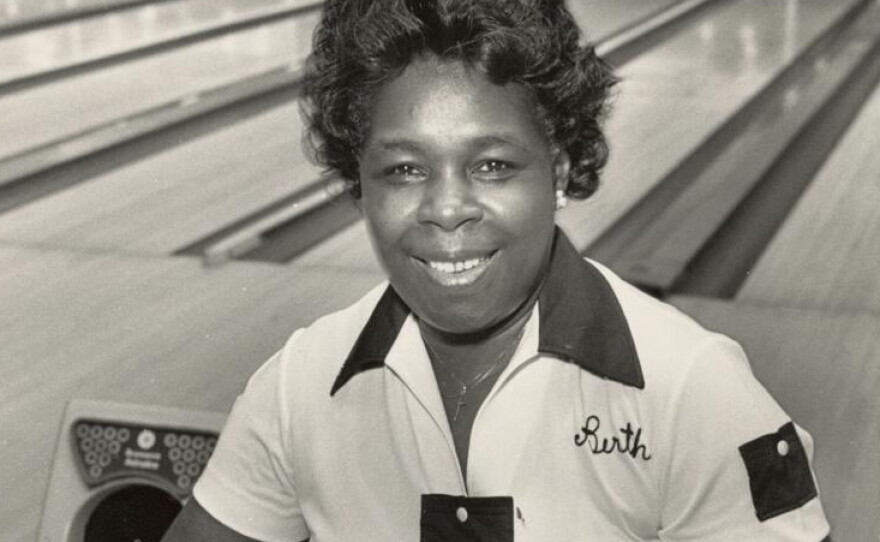
Landis says working-class folks especially enjoyed the sport.
"By 1924 there are 760 teams in the city with 2,700-plus bowlers, even though the population is only around 560,000," Landis says. "So bowling really takes off in that post-World War I era, and as prohibition then ends in the 1930s, you get increasing socialization around bowling. And then after World War II, with the baby boom, the population growth there that helps spur the interest in bowling,"
Red Carpet Lanes, Falcon Bowl, the Plankinton Arcade — bowling alleys were everywhere.
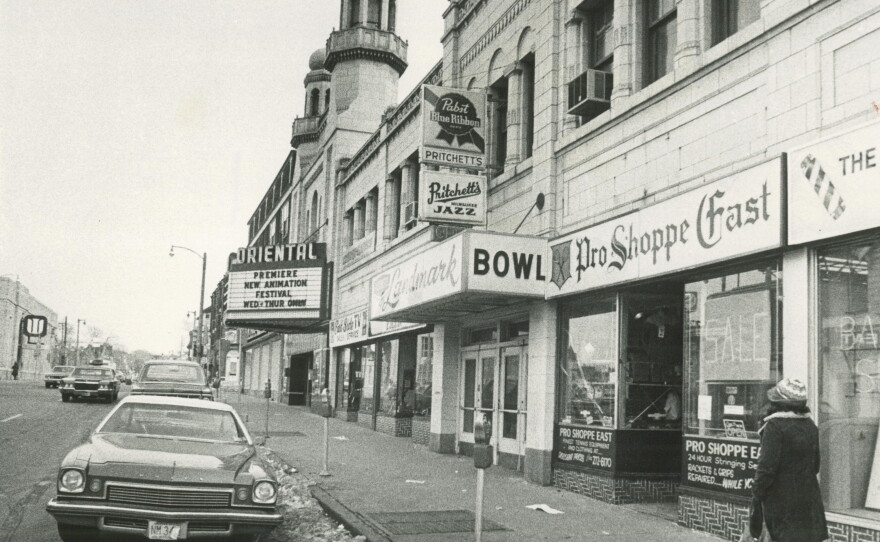


Unfortunately, the game’s popularity waned in the 1980s and 90s; not just in Milwaukee, but across the country. A lot of bowling alleys closed.
In 2005, the American Bowling Congress and three other bowling membership organizations merged to form the U.S. Bowling Congress.
And in 2008, the organization moved to Arlington, Texas, taking the title of “America’s Bowling Capital” with it.
However, traces of Milwaukee’s bowling spirit still linger. Some of those historic alleys are still operating, like the Holler House on Lincoln Avenue. It’s been in business since 1908.
Its bowling lanes are the oldest-sanctioned in the country. And everything is done manually, from the pinsetters to scorekeeping.
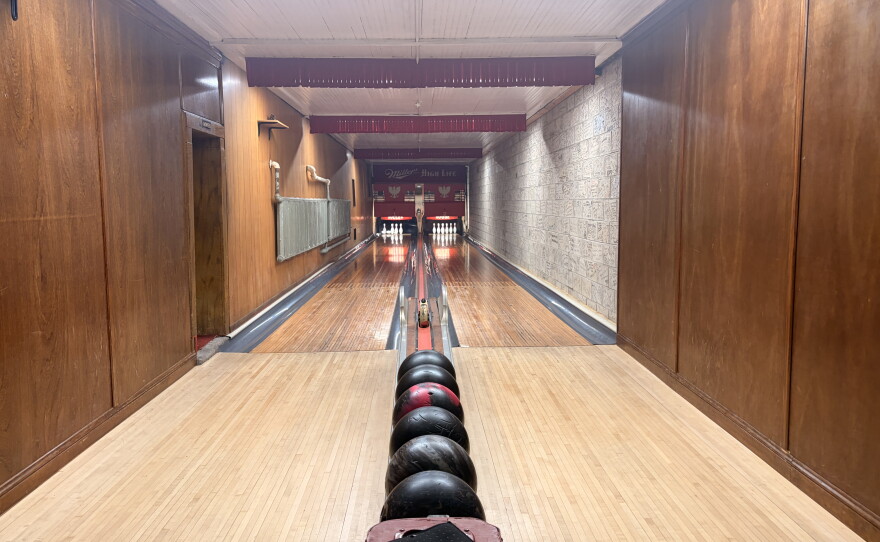
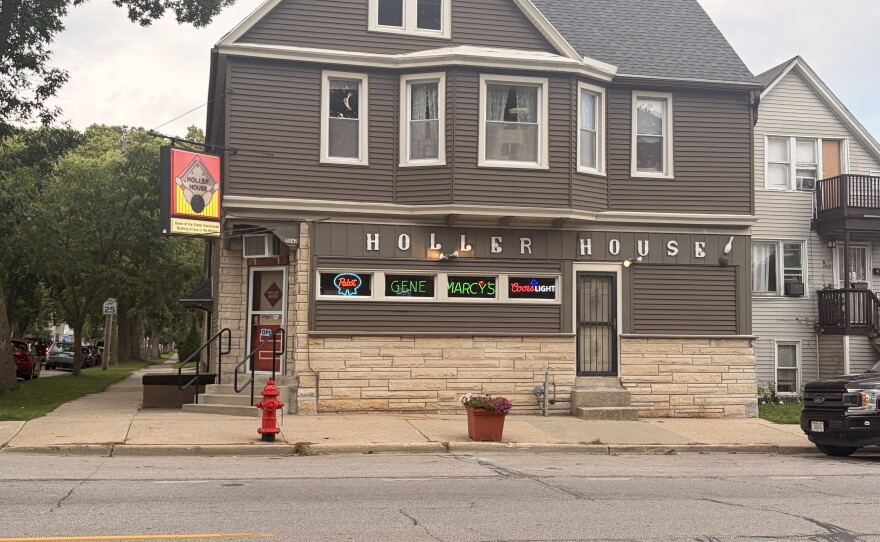
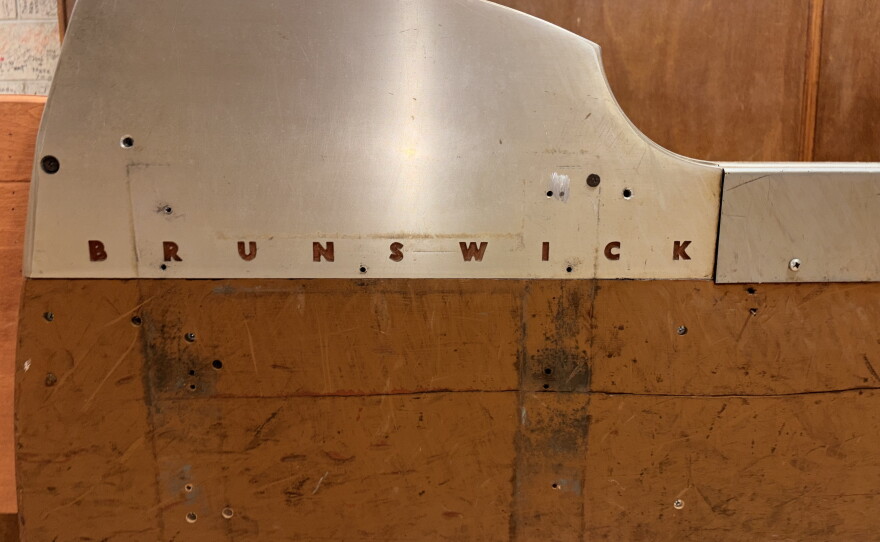
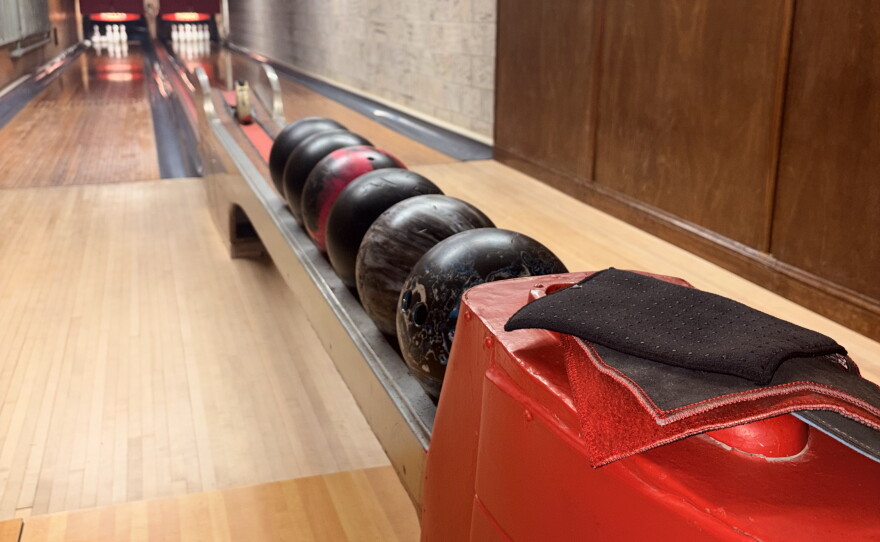
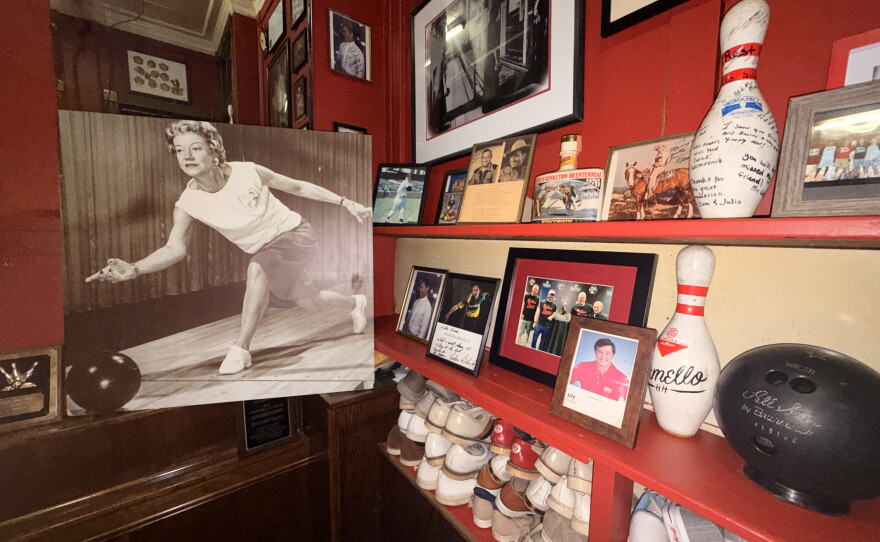

"Everything down here is Brunswick original equipment; it’s all over 120 years old," says Holler House co-owner Tom Haefke. "The lanes are oiled by hand. Twenty-five years ago we took the pin decks out; that’s where the pins are standing when you throw a ball. And underneath they’re stamped 'Brunswick 1904,' so the wood everybody bowls on is 122 years old."
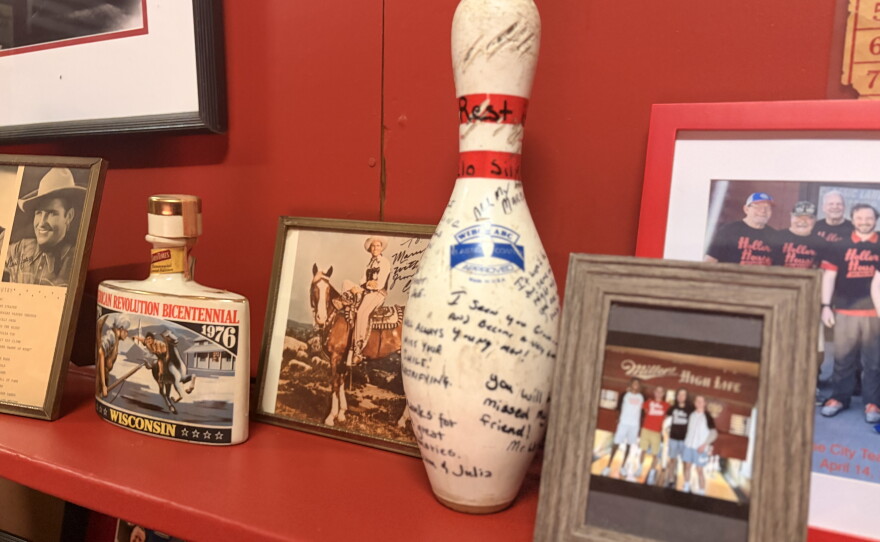
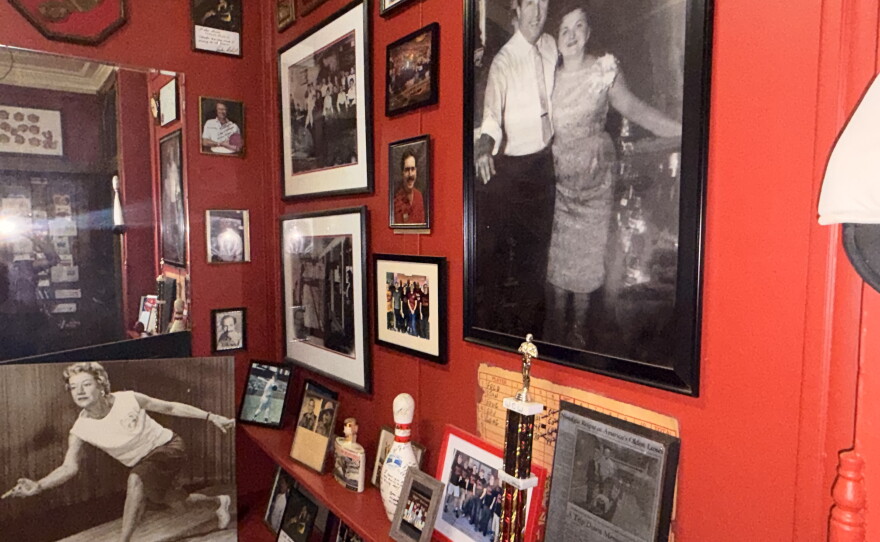
Holler House’s bowling alley and upstairs bar are decorated with pictures, trophies, and other bowling memorabilia — offering a glimpse into Milwaukee’s bowling story.
Perhaps you can “spare” some time to check it out.
_


